Spiti Valley, often whispered about among seasoned travellers as 'Little Tibet', is one of India's last untouched frontiers. The name itself translates to 'The Middle Land' — the land between Tibet and India. Nestled at an average altitude of 12,500 feet in the northeastern part of Himachal Pradesh, Spiti is a cold desert mountain valley that offers an experience so raw, so spiritual, and so profoundly beautiful that it stays with you forever.
Unlike the verdant hills of Shimla or the bustling lanes of Manali, Spiti welcomes you with a stark, moon-like landscape. Barren mountains painted in shades of ochre, rust, and grey rise dramatically against the bluest skies you'll ever see. Prayer flags dance in the relentless wind, and ancient monasteries cling to cliffsides as if defying gravity itself.
The Road to Spiti — An Adventure in Itself
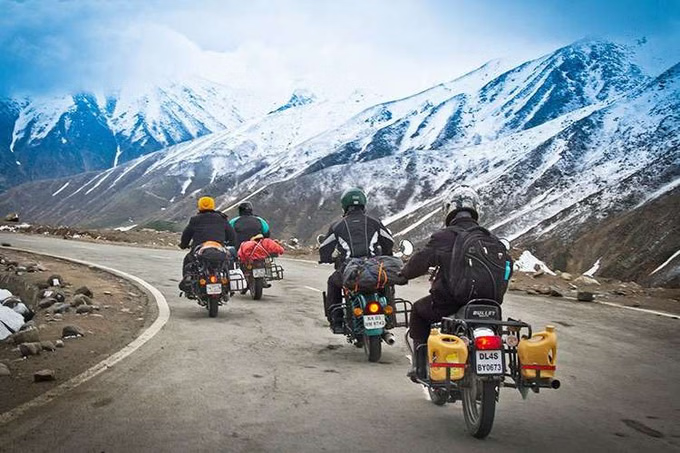
The journey to Spiti is as iconic as the destination. There are two primary routes, both equally breathtaking and equally challenging:
- Via Manali (Rohtang & Kunzum Pass): A thrilling route that takes you over the mighty Rohtang Pass (13,050 ft) and the stunning Kunzum Pass (15,060 ft). Open only from June to mid-October, this route offers some of the most dramatic mountain scenery in the world.
- Via Shimla (Kinnaur Valley): A comparatively gentler route through the picturesque Kinnaur Valley, passing through Narkanda, Rampur, and the famous Hindustan-Tibet Highway. This route is accessible for a longer part of the year.

Must-Visit Destinations in Spiti
Key Monastery (Kye Gompa)
Perched majestically on a hilltop at 4,166 meters above sea level, the Key Monastery is the crown jewel of Spiti. It is the largest monastery in the valley and a centre of religious training for Lamas. The monastery's fortress-like architecture, with its whitewashed walls and red rooftops, stands in stunning contrast against the stark, barren landscape. Inside, you'll find priceless murals, thangka paintings, manuscripts, and ancient Buddhist texts that are centuries old. The morning prayer sessions, accompanied by the deep resonance of horns and chanting, are a deeply moving experience.
Chandratal Lake — The Lake of the Moon
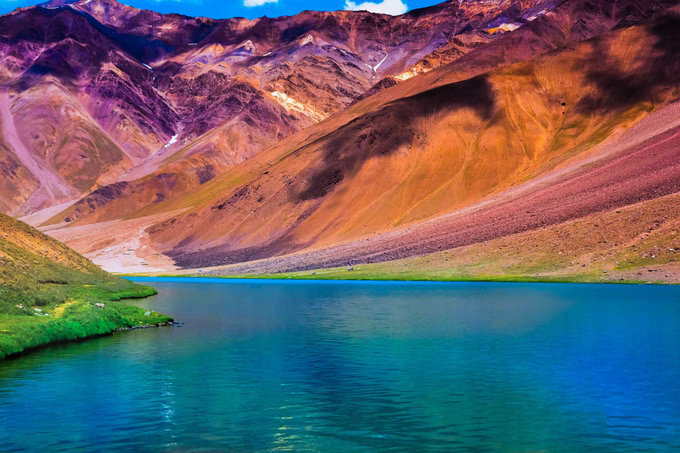
Situated at approximately 4,300 meters, Chandratal is a crescent-shaped high-altitude lake that is nothing short of magical. The lake's crystal-clear waters shift between shades of emerald, turquoise, and sapphire depending on the light and angle. Surrounded by stark mountains on all sides, camping by Chandratal under a canopy of a million stars is an experience that redefines the meaning of serenity. The lake is accessible via a short trek from the road, and the best time to visit is between June and September.
In the silence of Spiti, you don't find solitude — you find yourself. The mountains don't speak, yet they tell you everything you need to hear.
— A Spiti TravellerKibber & The Chicham Bridge
Kibber, one of the highest motorable villages in the world at 4,205 meters, offers panoramic views that make your jaw drop. The village is also the starting point for treks to the Kibber Wildlife Sanctuary, where you might spot the elusive Snow Leopard. Connected to Kibber is the village of Chicham via Asia's highest suspension bridge — a marvel of engineering that spans a terrifying gorge hundreds of feet below.
Langza — The Fossil Village
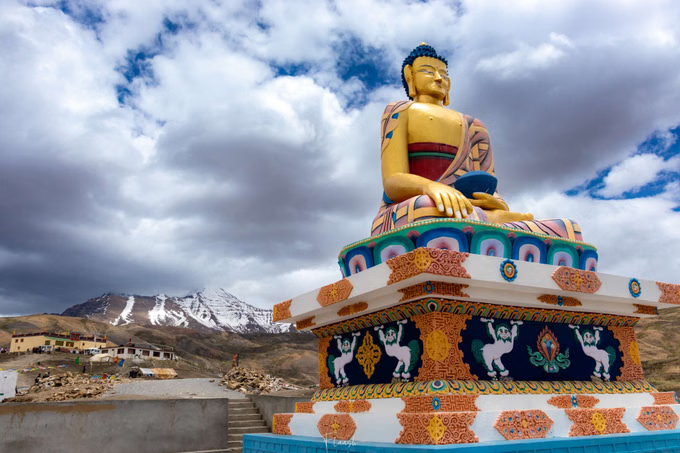
Guarded by a massive golden Buddha statue overlooking the valley, Langza is a tiny hamlet known for its abundance of marine fossils. Yes, marine fossils — a reminder that millions of years ago, this very land was under the ancient Tethys Sea. Walking around Langza, you can find perfectly preserved fossils of ammonites and crinoids scattered across the ground. The village is also known for its stunning views of the Chau Chau Kang Nilda peak.
Komic & Hikkim — Record-Breaking Villages
Komic is often cited as the highest village in Asia connected by a motorable road. It houses the Tangyud Monastery, home to a unique 'Bhootnath' deity that is worshipped only at night. Nearby Hikkim holds the Guinness World Record for the world's highest post office (14,567 ft). Sending a postcard from here is a must-do — imagine the joy of receiving a letter stamped from the top of the world!
The Culture & People of Spiti
Spiti's culture is deeply rooted in Tibetan Buddhism. Every village has its own monastery, every home a prayer room. The people of Spiti — warm, gentle, and incredibly resilient — survive harsh winters that last six months, where temperatures plunge to -30°C and the valley is completely cut off from the rest of the world.
Homestays are the heart and soul of experiencing Spiti. Staying with a local family, sipping butter tea (gur gur chai), sharing meals of thukpa (noodle soup) and momos, and listening to their stories around a bukhari (wood stove) is where the real magic of Spiti lies.
Best Time to Visit Spiti
- Summer (June – September): Ideal for most travellers. All passes are open, roads are relatively better, and temperatures are pleasant during the day (15°–25°C). This is the peak tourist season.
- Autumn (October): Fewer crowds, stunning golden hues. But roads start getting tricky as snowfall begins on higher passes.
- Winter (November – April): Only for the truly adventurous. The Manali route is completely closed. Access is only via Shimla, and even that is uncertain. But a snow-covered Spiti is a sight few are privileged to witness.
Essential Tips for Your Spiti Trip
- Acclimatize properly: Spend at least a day in Kaza before going higher. Altitude sickness is a real concern above 12,000 ft.
- Carry cash: ATMs are scarce and unreliable. Kaza has the only ATM in the valley, and it doesn't always work.
- Fuel up: Fill your tank whenever you find a petrol pump. The next one could be 150+ km away.
- Pack layers: Even in summer, nights can be freezing. Carry warm jackets, thermals, and good trekking shoes.
- Respect the culture: Always seek permission before photographing locals or religious sites. Remove your shoes before entering monasteries.
Ready for Your Spiti Adventure?
Let Peak Monk Luxury Trail craft a personalized Spiti itinerary with premium stays and authentic experiences.